

Opening voice
community voice, opening — 60–90s
What does this mean?
Plain explanation of what a preamble does and does not do — that it sets intent and is not itself an operative provision. Roughly 60 words, precise and unhurried.
Your feedback
0 of 19 questions answered0 comments provided
One question before we send this. We'll only ask it once.
The Nation's collection statement goes here: what we ask, why, who sees it, and how long it's kept.
The privacy notice link goes here.
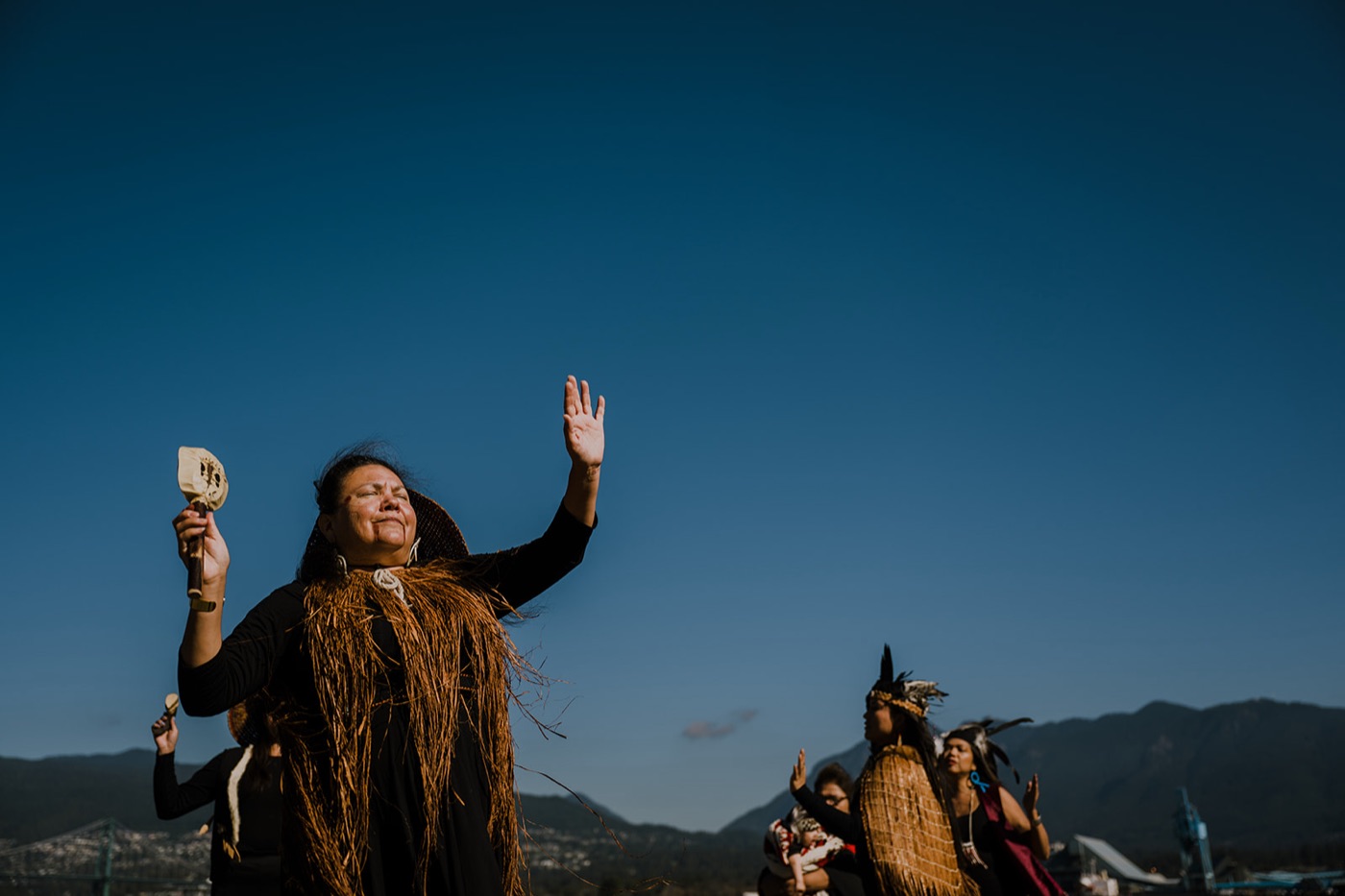
We want your feedback on the current draft of the constitution. Start with any part, in any order, and come back to this page whenever you like.
Get StartedLorem ipsum dolor sit amet, consectetur adipiscing elit.
Sed do eiusmod tempor incididunt ut labore.
Definitions · the words the Constitution uses in a specific way

Preamble
The Nation's own account of who we are and where this document comes from. Final line from Point Blank.
245 comments812 responses
Tell us what you thinkPlain explanation of what a preamble does and does not do — that it sets intent and is not itself an operative provision. Roughly 60 words, precise and unhurried.
Your Voice Matters.
Short, warm opening paragraph in a community voice, setting up why this document exists and why it is being put to a vote. Around 50 words. This is the emotional entry point to the whole experience, so it carries more weight than its length suggests.
See this in the draft constitution, the Preamble, paragraph 2What "living document" means in practice, and how it connects to the amendment process in Part 10. Around 55 words.
About this passage, in the draftYour Voice Matters.
See this in the draft constitution, the Preamble, paragraph 7A short line from a community interview responding to the closing sentence of the Preamble.
Part 1
Part one explains how this document will be used to strengthen and grow our way of life.
245 comments812 responses
Tell us what you thinkWhy a document about interpretation is not dry — these six values are the ones people already live by. Around 45 words.
Explanation of what it means for this Constitution to be the highest written law, and what happens to a law that conflicts with it. Around 70 words.
About clause 1.4, in the draftClause-level gloss on what "of no force or effect" means in practice.
Note on clause 1.5, in the draftYour Voice Matters.
See this in the draft constitution, clause 1.6Short interview line on one of the six values, in the speaker's own words.
Your Voice Matters.
Tell us what this section means to you.
We're asking for feedback from members of the Squamish Nation. Before your first answer or comment, we'll ask once whether you're a member.
Part 2
Part two makes sure only Squamish People decide who is Squamish.
245 comments812 responses
Tell us what you thinkWhat this Part actually contains, said plainly: three provisions, what each one establishes, and what changes if the Constitution passes. Around 80 words, precise, written so someone who never opens the raw clauses still understands the substance.
Your Voice Matters.
Opening paragraph in a community voice on belonging — what it has meant to have membership decided elsewhere, and what it would mean to decide it here. Around 70 words. Warm, specific, no argument, no persuasion language.
Gloss on what "principles of ancestry, belonging, and community acceptance" is doing in a legal provision.
Note on clause 2.1, in the draftYour Voice Matters.
See this in the draft constitution, clause 2.2A short line lifted from a community interview. Ten to fifteen words, the kind of sentence someone actually says.
Your Voice Matters.
What this Part does not do — the limits of it, and what is left to a future law or code rather than settled here. Around 65 words. Naming the gaps honestly is the point; a summary that only lists benefits is the thing that reads as concealment.
About clause 2.2, in the draftGloss on "exclusive right to define our own membership" — the operative clause of this Part.
Note on clause 2.2, in the draftWhat happens next if this passes — the process by which the law or code referred to in 2.3 would actually get written, and how members would be involved. Around 70 words.
About clause 2.3, in the draftGloss on why this points to a future law rather than setting the rules here.
Note on clause 2.3, in the draftShort gloss on recognition versus enrolment.
Note on clause 2.3(a), in the draftTell us what this section means to you.
We're asking for feedback from members of the Squamish Nation. Before your first answer or comment, we'll ask once whether you're a member.
Part 3
Part three protects your right to hunt, fish, and practice our culture.
245 comments812 responses
Tell us what you thinkOpening paragraph on why a list of rights matters when you have not had one written down before. Around 60 words, community voice.
The structure of this Part explained: collective rights held by the Nation, individual rights held by members, and responsibilities that run the other way. Around 75 words.
About clause 3.1, in the draftGloss on collective rights being held by the Nation rather than by individuals.
Note on clause 3.1, in the draftYour Voice Matters.
See this in the draft constitution, clause 3.3Short interview line about responsibility rather than entitlement.
Your Voice Matters.
What "subject to reasonable limits" means and why it is there — the most consequential five words in this Part, and the ones most likely to be misread. Around 70 words. Explaining a limit clearly is more persuasive than not mentioning it.
About clause 3.2, in the draftGloss on the "reasonable limits" qualifier that governs the whole list beneath it.
Note on clause 3.2, in the draftWhy the non-discrimination grounds are listed out one by one rather than left general. Around 60 words.
About clause 3.2(g), in the draftGloss on the non-discrimination grounds and why they are enumerated.
Note on clause 3.2(g), in the draftHow the responsibilities in 3.3 differ from the rights in 3.2 — whether they are enforceable, and what it means if they are not. Around 60 words.
About clause 3.3, in the draftGloss on whether responsibilities are obligations or statements of value.
Note on clause 3.3, in the draftYour Voice Matters.
Tell us what this section means to you.
We're asking for feedback from members of the Squamish Nation. Before your first answer or comment, we'll ask once whether you're a member.
Part 4
Part four makes sure our language thrives.
245 comments812 responses
Tell us what you thinkYour Voice Matters.
Short paragraph on what official status changes for a language that people are still working to recover. Around 50 words.
What "official language" obliges the Government to do, and the difference between the commitments in 4.2 and the aspiration in 4.4. Around 70 words.
About clause 4.4, in the draftGloss on "will take steps to implement the vision" — a commitment to direction rather than to a date.
Note on clause 4.4, in the draftTell us what this section means to you.
We're asking for feedback from members of the Squamish Nation. Before your first answer or comment, we'll ask once whether you're a member.
Part 5
Part five protects our land and territory for all of us, forever.
245 comments812 responses
Tell us what you thinkYour Voice Matters.
Opening paragraph in a community voice on the land itself — named places, not abstractions. Around 70 words.
What 5.1 is doing — a boundary description in a constitution, what it asserts, and what it does not by itself resolve. Around 80 words, careful, because this is the provision most likely to be read as a claim about someone else's land.
About clause 5.1, in the draftGloss on how to read a boundary description, with the named places set out plainly.
Note on clause 5.1, in the draftYour Voice Matters.
Short interview line about stewardship as an inherited obligation.
The order of 5.2 explained: responsibility comes first and the rights flow from it, which is the reverse of how most legal documents are built. Around 65 words.
About clause 5.2, in the draftGloss on rights flowing from responsibility rather than the other way round.
Note on clause 5.2, in the draftGloss on what the X̱ay Temíxw land use plan is and its status.
Note on clause 5.4, in the draftYour Voice Matters.
What the six commitments in 5.5 would mean in practice for someone who fishes, harvests, or works in development. Around 75 words, concrete.
About clause 5.5, in the draftGloss on what "act as stewards" commits the Government to.
Note on clause 5.5, in the draftGloss on "development that is sustainable" and who decides.
Note on clause 5.5(c), in the draftWhat 5.6 means for relationships with neighbouring Nations and other governments. Around 55 words.
About clause 5.6, in the draftGloss on partnerships and protocols with neighbouring Nations.
Note on clause 5.6, in the draftTell us what this section means to you.
We're asking for feedback from members of the Squamish Nation. Before your first answer or comment, we'll ask once whether you're a member.
Part 6
Part six guarantees your right to a government you can trust and take part in.
245 comments812 responses
Tell us what you thinkShort paragraph on transparency as something people have asked for repeatedly. Around 50 words.
What this Part settles and what it leaves to a later law — notably that the structure of government and the process for selecting Council are both deferred to 6.3. Around 75 words.
About clause 6.3, in the draftGloss on why the structure of government is set by law rather than fixed in the Constitution.
Note on clause 6.3, in the draftGloss on the financial management commitments and what independent oversight means.
Note on clause 6.8, in the draftYour Voice Matters.
Tell us what this section means to you.
We're asking for feedback from members of the Squamish Nation. Before your first answer or comment, we'll ask once whether you're a member.
Part 7
Part seven gives you a voice in resolving conflicts and restoring justice.
245 comments812 responses
Tell us what you thinkShort paragraph on restoring relationships rather than assigning fault. Around 50 words.
Gloss on what it means for a body to hear challenges to the validity of a law.
Note on clause 7.4, in the draftWhat the judicial council is, what it can decide, and how its independence is meant to work. Around 70 words.
About clause 7.5, in the draftGloss on "binding decisions".
Note on clause 7.5(b), in the draftYour Voice Matters.
Tell us what this section means to you.
We're asking for feedback from members of the Squamish Nation. Before your first answer or comment, we'll ask once whether you're a member.
Part 8
Part eight gives you a say in how we make new laws.
245 comments812 responses
Tell us what you thinkShort paragraph on being able to read the laws that apply to you. Around 45 words.
What law-making authority the Constitution asserts, and the specific areas listed in 8.4. Around 70 words.
About clause 8.4, in the draftGloss on the public registry and what "accessible" would need to mean.
Note on clause 8.5, in the draftYour Voice Matters.
Tell us what this section means to you.
We're asking for feedback from members of the Squamish Nation. Before your first answer or comment, we'll ask once whether you're a member.
Part 9
Part nine protects your interests when the Squamish government makes decisions on our behalf.
245 comments812 responses
Tell us what you thinkShort paragraph on the referendum trigger in 9.3 — the provision that most directly hands members a say. Around 55 words.
Gloss on the referendum requirement and what triggers it.
Note on clause 9.3, in the draftWhat counts as a significant impact, why the Constitution does not define it here, and what 9.4 defers to a later law. Around 70 words.
About clause 9.4, in the draftGloss on why "significant impact" is left to be defined later.
Note on clause 9.4(a), in the draftYour Voice Matters.
Tell us what this section means to you.
We're asking for feedback from members of the Squamish Nation. Before your first answer or comment, we'll ask once whether you're a member.
Part 10
Part ten makes sure the constitution is working for you and can be improved over time.
245 comments812 responses
Tell us what you thinkShort paragraph on this being a living document rather than a final one — the point most likely to reassure someone hesitating. Around 60 words.
Gloss on the 25% petition threshold.
Note on clause 10.2(a), in the draftThe five ways an amendment can start, the 60-day notice, and the double majority in 10.4 said in plain numbers. Around 75 words.
About clause 10.4(a), in the draftGloss on the double majority — turnout and support are separate tests.
Note on clause 10.4(a), in the draftYour Voice Matters.
Tell us what this section means to you.
We're asking for feedback from members of the Squamish Nation. Before your first answer or comment, we'll ask once whether you're a member.
Part 11
The words the Constitution uses in a specific way, and what each of them means.
A short note on why definitions matter in a legal document and how to use this section as reference rather than reading it through. Around 45 words.
245 comments812 responses
Tell us what this section means to you.
We're asking for feedback from members of the Squamish Nation. Before your first answer or comment, we'll ask once whether you're a member.
Your voice matters.
Tell us what this section means to you.
We're asking for feedback from members of the Squamish Nation. Before your first answer or comment, we'll ask once whether you're a member.